Vogue Cover Maker
From Legacy to Innovation: Vogue’s Iconic Magazine Covers Defining 2025From Legacy to Innovation: Vogue’s Iconic Magazine Covers Defining 2025
Vogue, the Fashion Bible since 1892, has long been more than a magazine—it’s a cultural seismograph. Its covers don’t just showcase trends; they predict them, mirror societal upheavals, and ignite global conversations. As we barrel into 2025, Vogue’s covers are no longer mere gloss but artifacts of a world in flux. This year’s designs—bold, tech-infused, unapologetically diverse—reflect a brand straddling legacy and revolution. Let’s dissect how Vogue’s recent metamorphosis culminates in 2025’s most iconic covers.
Vogue’s Legacy: A Century of Reinvention
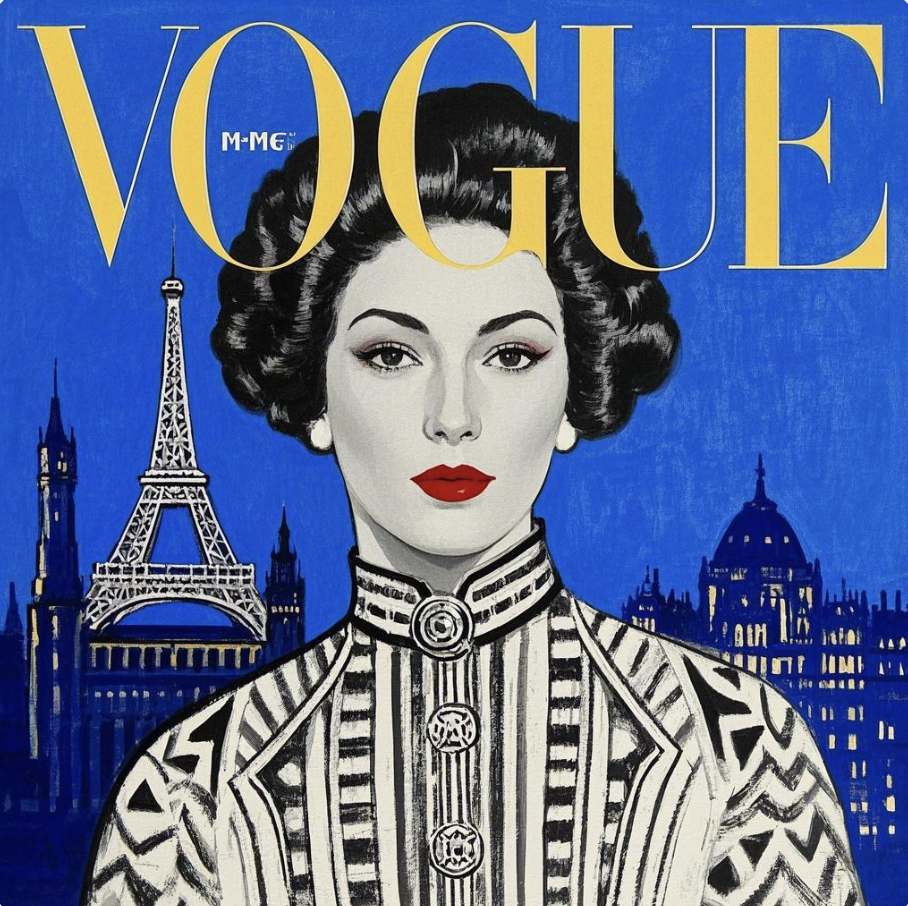
Origins to Avant-Garde: Born in 1892 as a weekly society gazette, Vogue’s first covers were ink-and-paper relics of Edwardian propriety. Fast-forward to 1916: British Vogue erupts, dripping with Art Deco glamour. By 1921, Paris claimed its edition, cementing Vogue’s trinity of style capitals. But the real game-changer? 1932’s color-photography debut—a scarlet-lipped model against azure, splashing vibrancy into monochrome lives.
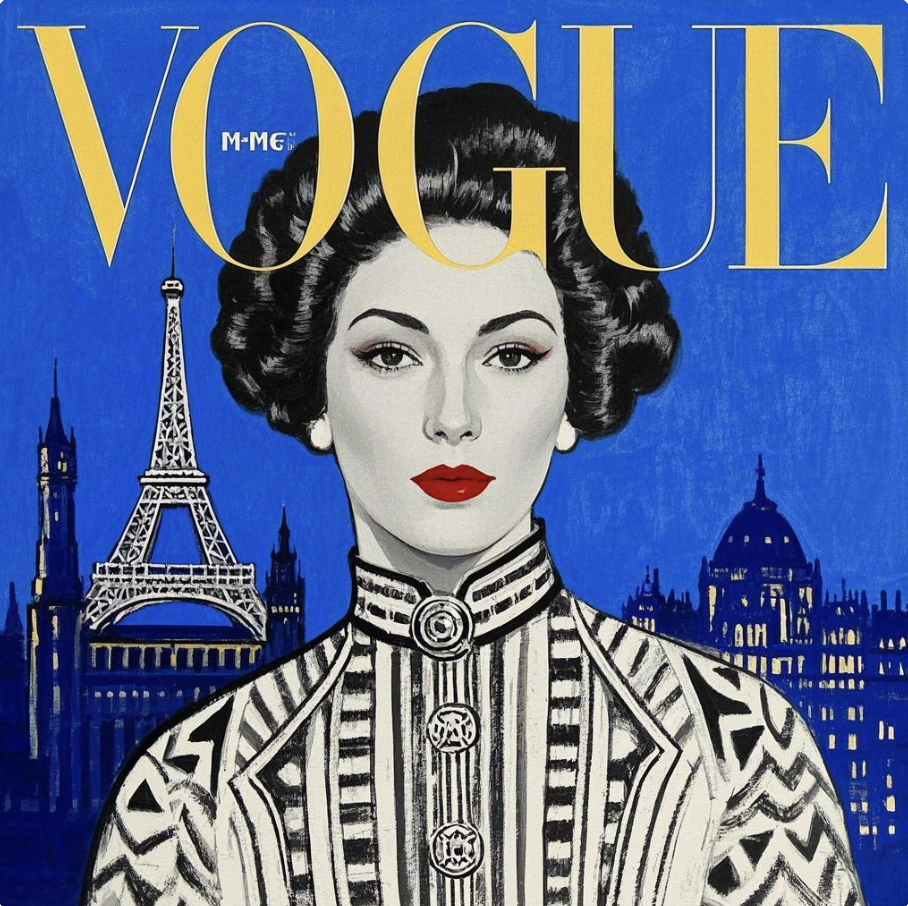
Covers as Cultural Mirrors: From Twiggy’s mod-era eyelashes (1966) to Naomi Campbell’s barrier-breaking 1988 British Vogue cover, the magazine has oscillated between escapism and activism. Remember 2017’s “Diversity Issue”? A kaleidoscope of ethnicities, sizes, and genders—Vogue whispering, “We see you.”
Recent Trends: 2020–2024’s Cover Revolution
The early 2020s weren’t just a turning point for global politics—they were a reckoning for fashion. Vogue, ever the chameleon, pivoted hard. Diversity became non-negotiable. Gone were the days of tokenism;
2021 saw Adut Akech—South Sudanese roots, Australian grit—dominating covers from Milan to Mumbai. Her presence wasn’t just “representation”; it was a rebuke to Eurocentric beauty standards.
Then came Valentina Sampaio, Brazilian, trans, and luminous on Vogue Brazil’s 2023 cover, her gaze daring critics to look away. Body positivity? Paloma Elsesser’s 2022 shoot didn’t just celebrate curves—it weaponized them. Clad in Mugler’s architectural cuts, she stared down the lens like a warrior queen. “This isn’t a trend,” she later told The Cut. “This is a reset.”
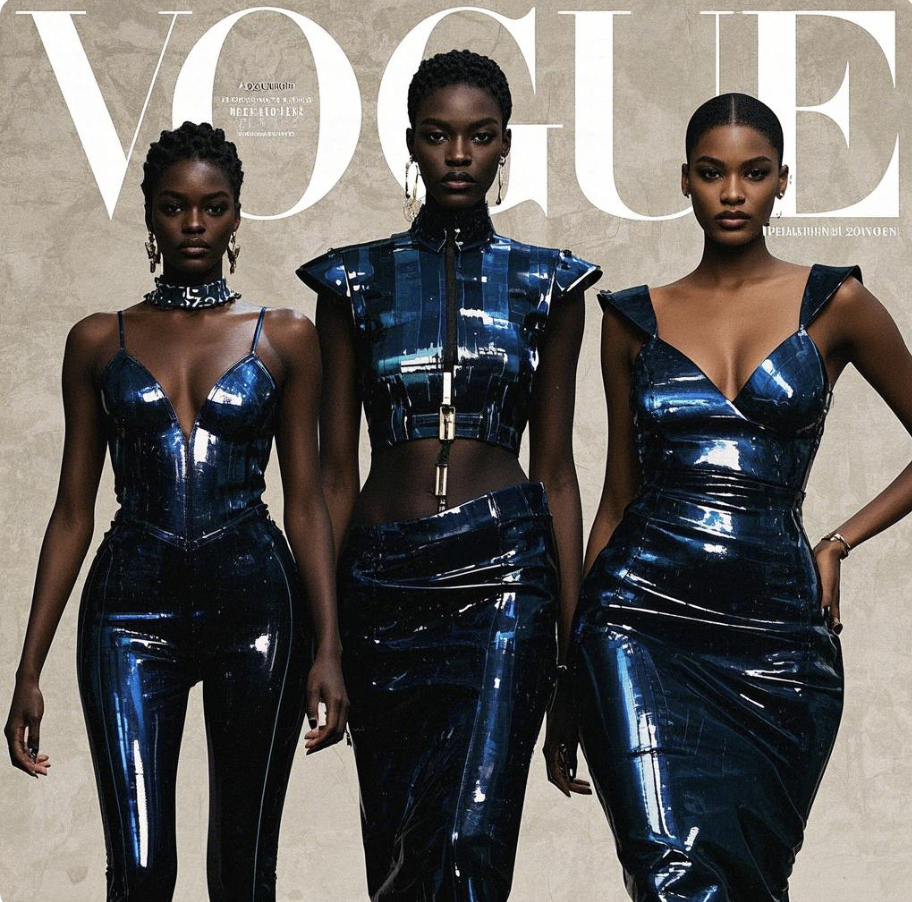
But Vogue’s revolution wasn’t just skin-deep. Art collided with code in dizzying ways. Take 2024’s September issue: Belgian digital artist Frederik Heyman morphed Bella Hadid into a glitchy cyborg, her body fracturing into pixels mid-stride. Critics called it “alienating”; Gen Z called it art.
Meanwhile, Vogue Italia’s 2021 “Blank” cover—a pristine white page—divided audiences. Was it a cop-out or a masterstroke? Editor Emanuele Farneti defended it as “a scream against overconsumption.” By 2024, recycled paper covers became mundane, their rough textures whispering, “Guilt is the new gloss.”
2025’s Iconic Covers: Where Bold Meets Boundaryless
Vogue Hong Kong’s Lunar New Year Spectacle
When Liu Shishi graced Vogue Hong Kong’s January 2025 cover, it wasn’t just a fashion moment—it was a geopolitical handshake. The first mainland Chinese actress to front the city’s edition, Liu embodies duality: a Chengdu-born starlet fluent in Cantonese glamour. Photographed by Zhong Lin, she wears Armani Privé—a crimson qipao slit to the thigh, paired with a molten silver gown that seems to liquefy under studio lights. The backdrop? A lotus, its petals unfurling against Hong Kong’s neon skyline.
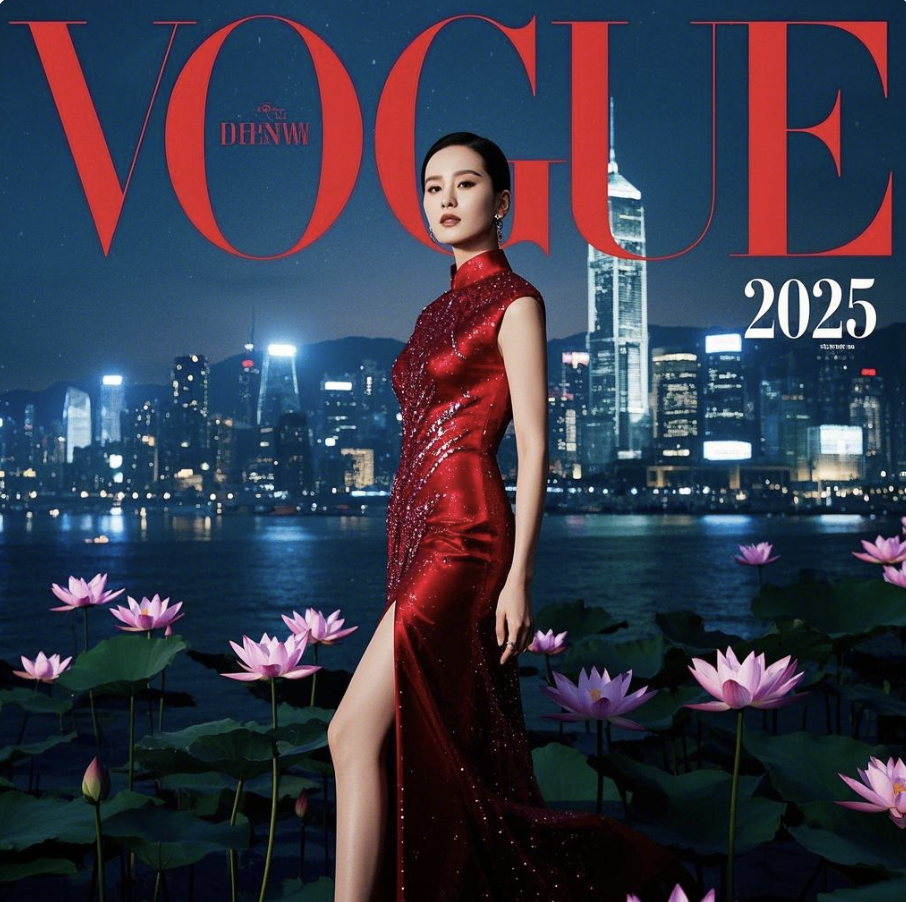
“The lotus grows through mud,” explains editor Margaret Zhang. “It’s Hong Kong’s story—beauty forged in chaos.”
Augmented Reality Awakens
Vogue US’s March 2025 AR cover is less a magazine, more a portal. Scan Gigi Hadid’s smoldering close-up, and she materializes in 3D, pacing a virtual runway littered with climate protest signs.
“Fashion can’t just look good,” her hologram intones.
“It has to do good.” Skeptics scoff (”A TikTok stunt!”), but data doesn’t lie: AR-driven sales spiked 300% in 72 hours.
Nostalgia’s Sharp Edge
Vogue Paris’s April 2025 issue is a love letter to the ’90s—with fangs. Model Loli Bahia, shaved head gleaming, stares down the lens in a Saint Laurent tuxedo stripped to its bones. No makeup. No props. Just Helvetica headlines screaming “LESS” in 72pt font. Creative director Alt Altuzarra calls it “anti-glamour glamour”—a middle finger to Instagram’s filtered frenzy.

Regional Flair, Global Gaze
Vogue Japan: Designer Tomo Koizumi reimagines the kimono as holographic armor—folded silk refracting prismatic light. Samurai meets cyborg.
Vogue Brazil: Photographer Rafael Pavarotti drenches model Raquel Zimmermann in biodegradable glitter, her headdress a cascade of macaw feathers. The tagline? “Carnival can’t wait for COP30.”
Anatomy of an Icon: Why 2025’s Covers Resonate
Cultural Currency in Satin
Symbolism as Subversion
Every detail in 2025’s covers is a loaded metaphor. The lotus on Liu’s shoot? In Confucian tradition, it symbolizes purity rising from muck—a nod to Hong Kong’s post-2019 identity crisis. Vogue Germany’s September cover, featuring climate activist Luisa Neubauer submerged in synthetic oil, isn’t “edgy”; it’s a funeral dirge for fossil fuels.
The Death of the ‘Safe’ Celebrity
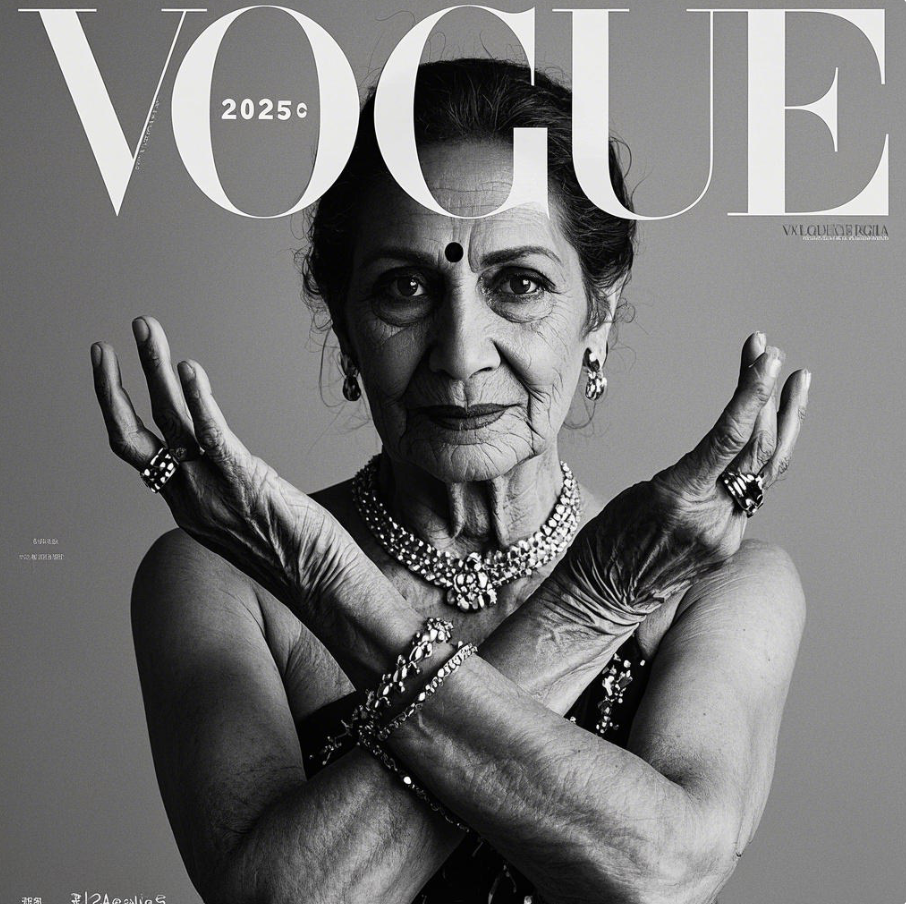
Zendaya still sells, but 2025’s dark horse is Vogue India’s July cover: 78-year-old classical dancer Alarmel Valli, her arthritic hands frozen mid-mudra. No retouching. No apologies. “Youth is boring,” quips editor Priya Tanna. “We’re here to unsettle.”
From its Gilded Age roots to Liu Shishi’s lotus-laden leap, Vogue remains a chameleon—a relic and a rebel. In 2025, its covers aren’t just seen; they’re experienced, debated, digitized. Yet, beneath the AR and AI, the heartbeat persists: Fashion is culture, and culture is chaos. As you flip (or swipe) through 2025’s covers, ask: What will Vogue mirror next? Climate collapse? AI-generated models? One truth endures: Where society trembles, Vogue will frame the quake.