FEATURED
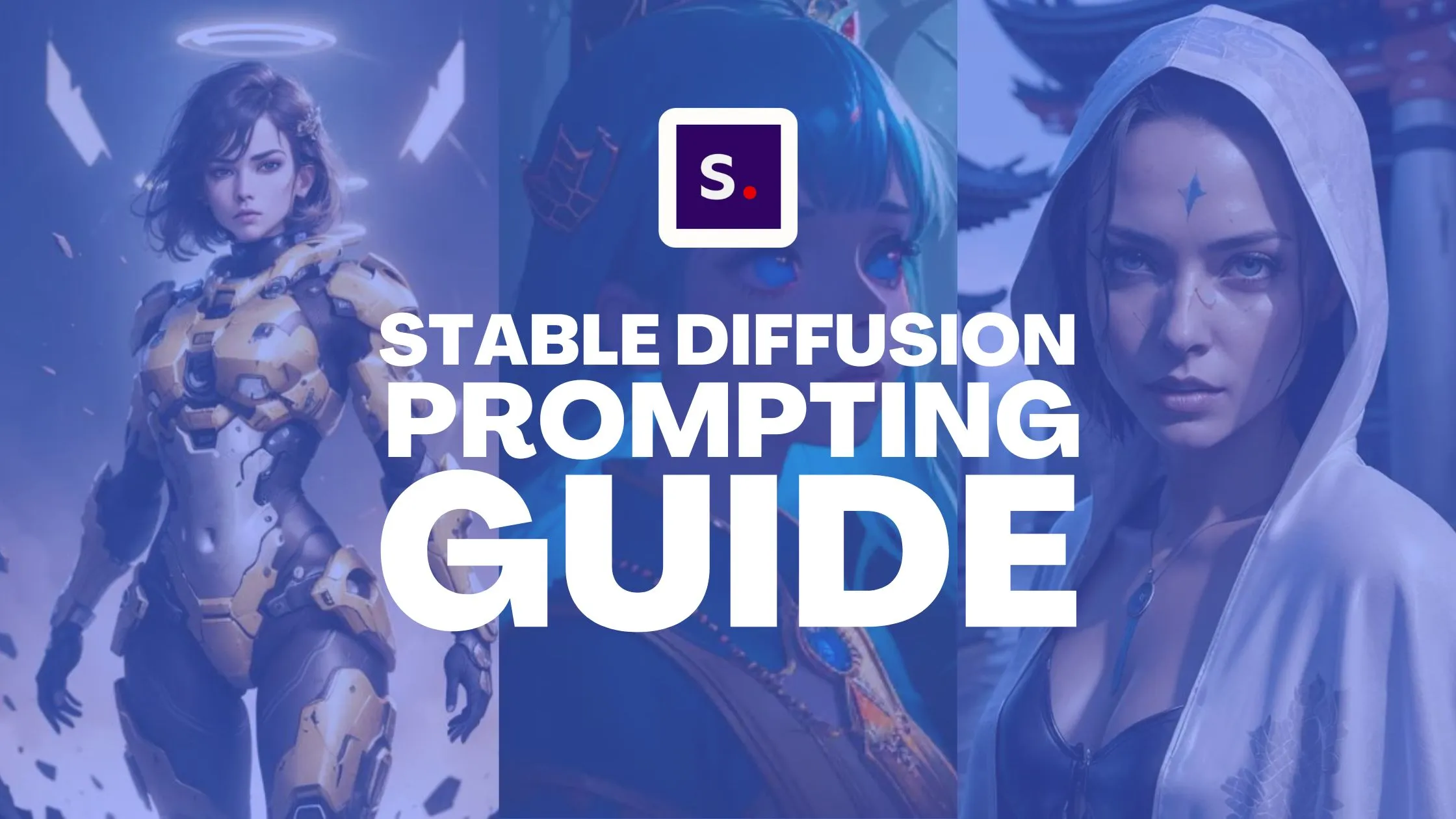
How to Master Stable Diffusion Prompt Writing: A Comprehensive TutorialHow to Master Stable Diffusion Prompt Writing: A Comprehensive Tutorial
Crafting effective prompts for Stable Diffusion is both an art and a science. This comprehensive guide will help you understand the key elements of prompt writing and how to achieve optimal results.
Basic Prompt Structure
The effectiveness of Stable Diffusion heavily depends on well-structured prompts that follow a clear hierarchy. Here's the recommended structure:
| Component | Purpose | Example |
| Subject | Main Focus | “A majestic dragon” |
| Details | Specific attributes | “with iridescent scales” |
| Environment | Setting / Background | “in a misty mountain cave” |
| Technical parameters | Image quality | “highly detailed, 8K resolution” |
| Style | Artistic direction | “digital art, fantasy style” |
Advanced Techniques
Keyword Weighting
The importance of specific elements can be adjusted using special syntax:
(keyword) = 1.1x emphasis
((keyword)) = 1.21x emphasis
[keyword] = 0.9x emphasis
Negative Prompts
Equally important is specifying what you don't want in the image. Common negative prompts include:
"blurry, low quality"
"deformed features"
"watermark, signature"
Resolution and Quality Control
For optimal image quality, include these technical specifications
Best Practices
Start SimpleBegin with a basic concept and iteratively add details. For example:
Basic: "A medieval castle"
Improved: "A medieval castle, gothic architecture, morning fog, dramatic lighting"
Advanced: "A medieval castle with towering spires, gothic architecture, surrounded by morning fog, dramatic sunrise lighting, highly detailed stonework"
Use Specific Descriptors
Instead of vague terms, use precise descriptions:
| Weak Term | Strong Alternative |
| Beautiful | Ethereal, Stunning |
| Good | Professional, Refined |
| Colorful | Vibrant, Iridescent |
Control Image Variation
To maintain consistency across generations, include specific style references:
Common Pitfalls to Avoid
Prompt Structure Issues
| Common Mistake | Better Approach | Example |
| Vague descriptions | Use specific, detailed terms | Bad: "beautiful woman" Good: "young woman with flowing red hair, emerald eyes, wearing Victorian dress" |
| Conflicting styles | Maintain style consistency | Bad: "anime style, photorealistic, oil painting" Good: "anime style, cel shading, Ghibli inspired" |
| Overloaded prompts | Focus on key elements | Bad: "castle dragon princess knight battle sunset rain storm lightning" Good: "medieval castle under stormy sky, lightning illuminating stone walls" |
Technical Mistakes
Token Management
Exceeding the 75 token limit without proper chunking
Not using BREAK keyword for new prompt sections
Mixing too many style modifiers
Quality Control
Forgetting to specify image quality parameters
Not including essential technical terms:
Negative Prompt Errors
Omitting crucial negative prompts
Using contradictory negative terms
Not specifying unwanted artifacts:
Optimization Problems
| Area | Common Issue | Solution |
| Sampling | Using default settings | Experiment with different samplers for your specific use case |
| Resolution | Starting with wrong dimensions | Begin with 512x512 for optimal results4 |
| Iteration | Expecting perfect results immediately | Allow multiple generations with seed variation3 |
These specific guidelines will help avoid the most common technical and creative pitfalls while using Stable Diffusion, leading to more consistent and higher quality outputs.
Measuring Success
Track your prompt effectiveness using this simple scoring system:
| Aspect | Score Range | Evaluation Criteria |
| Accuracy | 1-5 | How well does the output match intent? |
| Quality | 1-5 | Technical image quality |
| Consistency | 1-5 | Reliability across multiple generations |
Remember that effective prompt writing is an iterative process that improves with practice and experimentation.
Start with basic concepts and gradually refine your approach based on results.By following these guidelines and continuously refining your technique, you'll be able to consistently generate high-quality images that match your creative vision.
The key is to be specific, organized, and methodical in your approach while maintaining a balance between technical parameters and creative expression.