Photo Enhancer
How to Take Stunning Blurry Photos: Pro Tips & Creative TechniquesHow to Take Stunning Blurry Photos: Pro Tips & Creative Techniques
Camera Settings Chart
| Scenario | Shutter Speed | Aperture | ISO | Focus Mode |
| Street Motion | 1/30s - 1/15s | f/3.5-f/5.6 | 400 | Single Point AF |
| Night Lights | 1-2s | f/8-f/11 | 100 | Manual |
| Sports Action | 1/60s - 1/30s | f/16 | 400-800 | AI Servo |
| Dance Movement | 1/10s - 1/50s | f/4-f/5.6 | 200-400 | Continuous AF |
| Nature/Water | 1/2s - 2s | f/11-f/16 | 100 | Manual |
Essential Camera Settings
Base Configuration
Shutter Speed: 1/30s for fast subjects, 1s for slower movements
Aperture: Start with f/3.5 (vintage aesthetic) or f/16 for panning shots
ISO: Keep between 200-800 for a classic film-like quality
Focus Mode: Single point autofocus, center focus point only
Specific Shooting Scenarios
Urban Photography
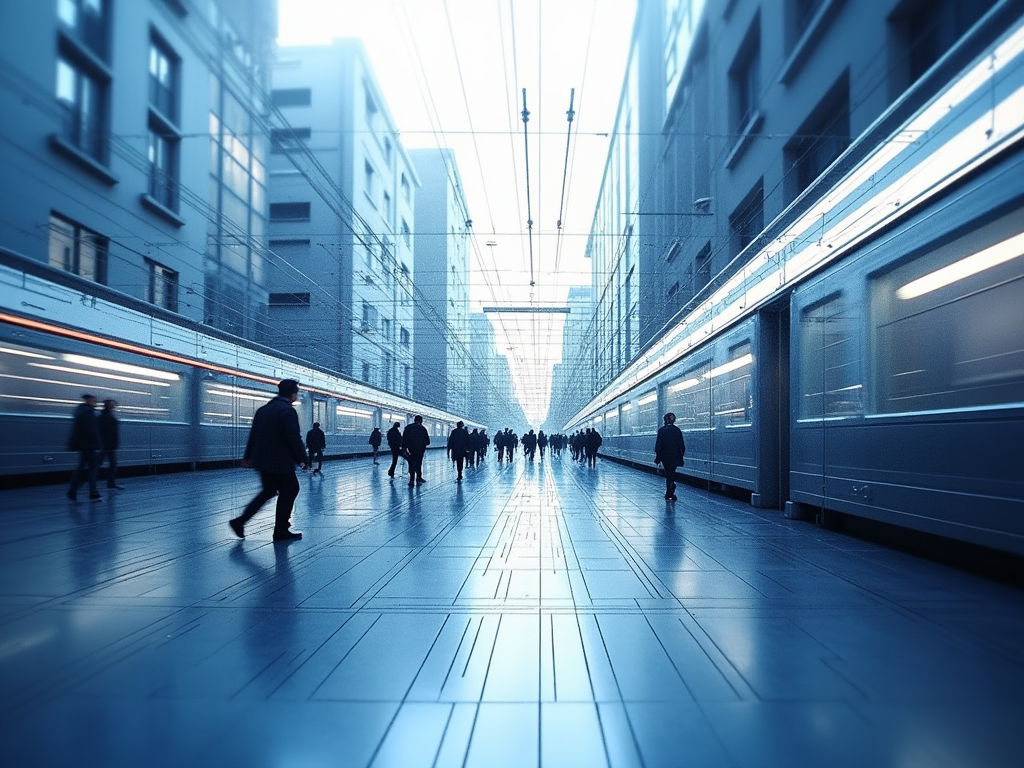
Position yourself at busy intersections during rush hour
Use 1/30s shutter speed to capture flowing traffic
Focus on a stationary element (like a lamppost) while letting pedestrians blur past
Amusement Park Lights
Shoot during blue hour or after dark
Capture spinning rides with 1-2 second exposure
Include both static and moving elements for contrast
Let the bright colors create light trails against the dark sky
Natural Elements
Flowing water: 1/2s exposure for silky waterfall effects
Wind-blown flowers: 1/15s to capture gentle movement
Moving clouds: 30+ second exposures for dramatic sky streaks4
Advanced Techniques: Mastering Motion and Light
The art of intentional blur photography reaches its pinnacle when we delve into advanced techniques that combine technical precision with artistic vision. Let some users share some of their most successful experiments and the exact methods behind them.
The Magic of Flash Synchronization
The power of rear-curtain sync becomes evident in dynamic photography scenarios, particularly in performance photography. Consider a dance performance capture: a dancer suspended in mid-leap appears crystal clear in the foreground, while a graceful trail of motion flows behind, telling the complete story of movement through space. This striking effect emerges from the careful orchestration of flash and ambient light.
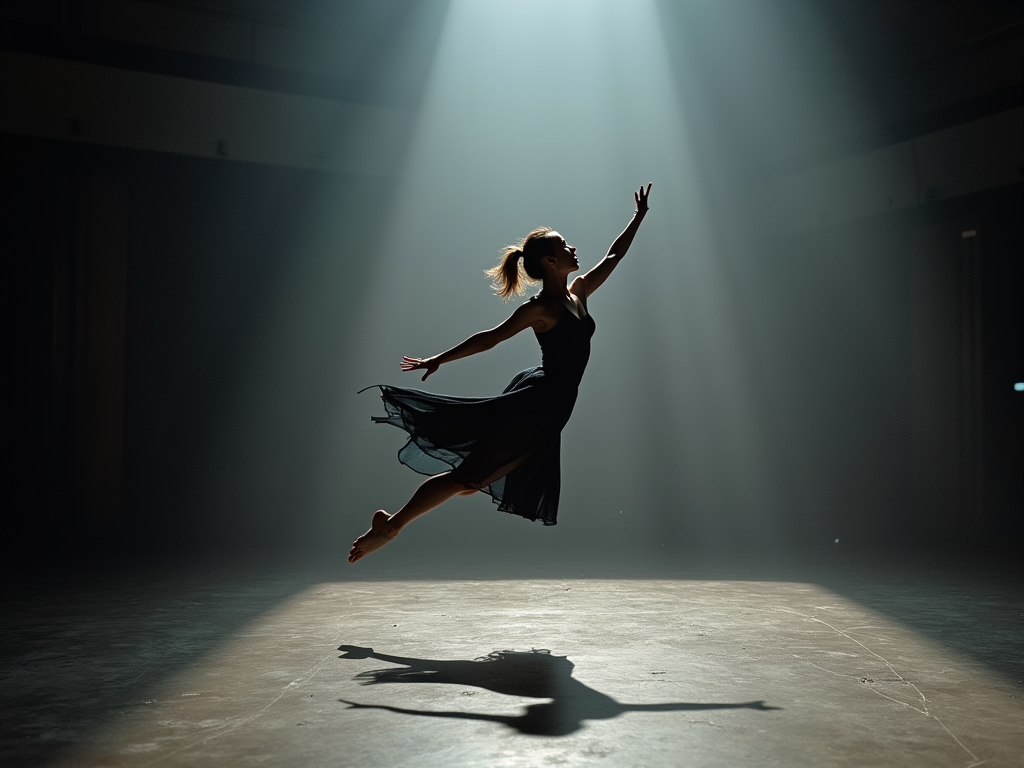
The technique requires setting the camera to rear-curtain sync mode, where the flash fires at the exposure's end rather than its beginning. A shutter speed of 1/15th second provides the perfect duration to capture motion, while the flash freezes the subject's final position. The resulting photographs transcend simple documentation, instead creating a visual narrative of movement through time.
The Art of Panning
Panning stands as perhaps the most cinematic of all blur techniques, requiring practice and precision to master. Success in panning relies more on rhythm than speed, following a methodical approach that professional photographers have refined over years of practice.
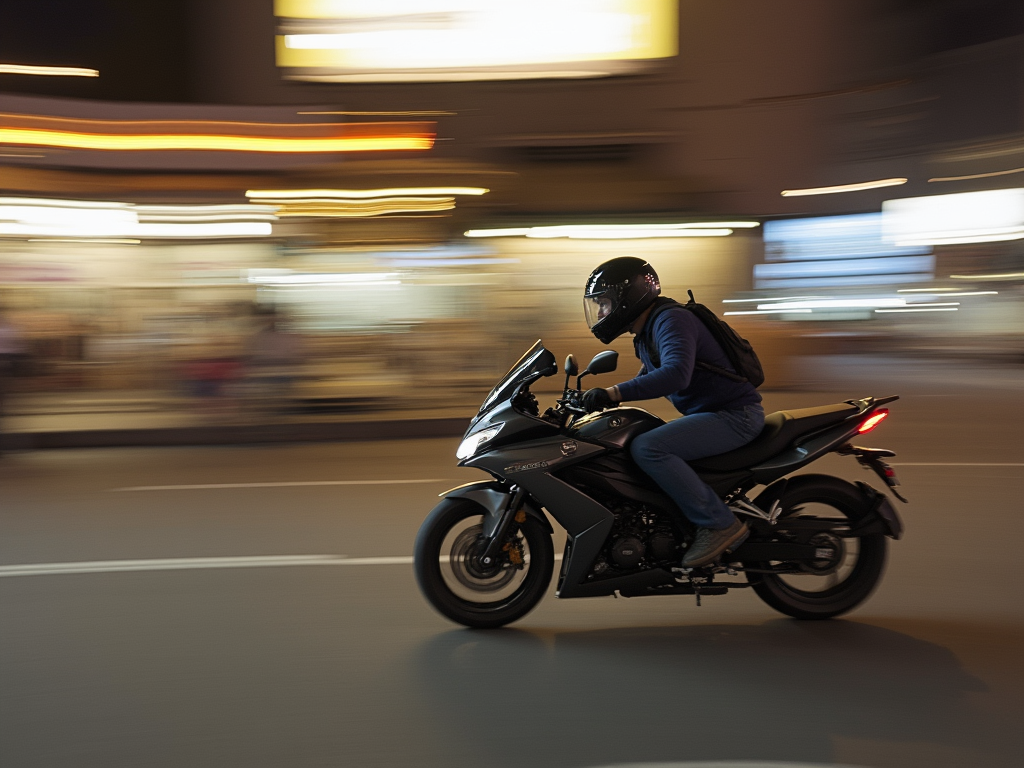
The technique begins with proper positioning: photographers should find locations where subjects move parallel to the camera, maintaining enough distance for comfortable tracking. The key to smooth panning lies in whole-body movement - pivoting from the hips while keeping the upper body stable creates fluid motion, essential for achieving those signature silky-smooth background blurs while maintaining subject sharpness.
Creative Applications in the Real World
Commercial Photography Reimagined
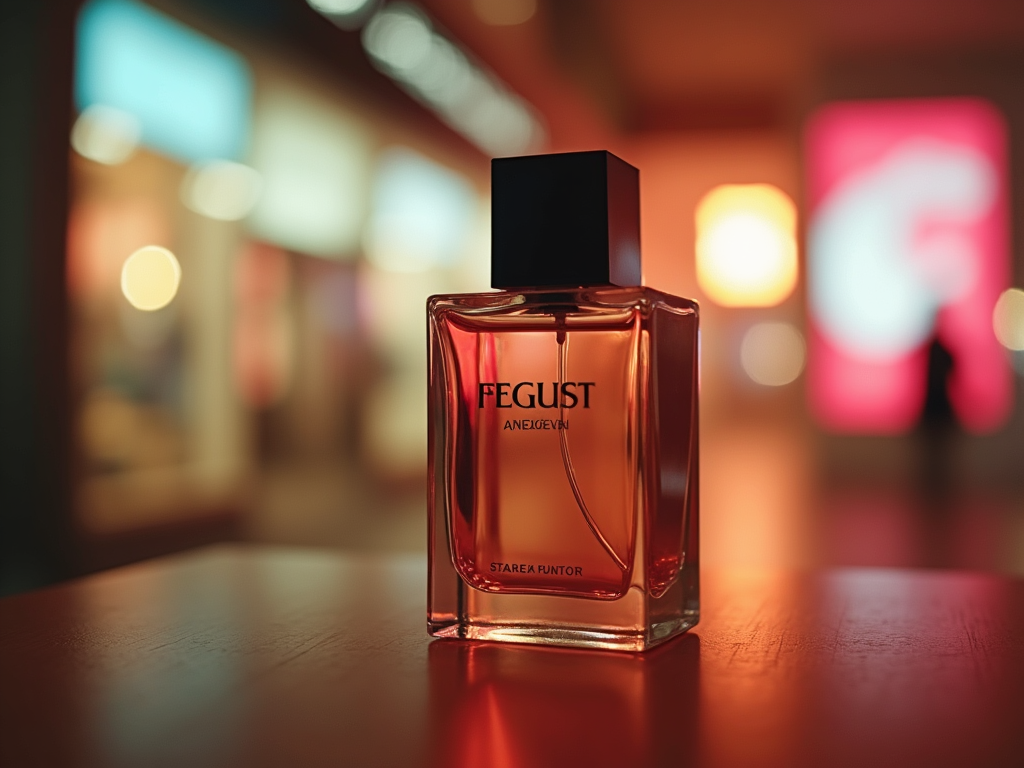
The fashion industry has revolutionized the use of motion blur in unexpected ways. High-end campaigns, particularly in perfume advertising, employ intentional camera movement to capture ethereal effects. By combining precise timing (1/4 second shutter speed) with controlled camera movement, photographers create visual metaphors that perfectly represent product characteristics.
Social Media Innovation
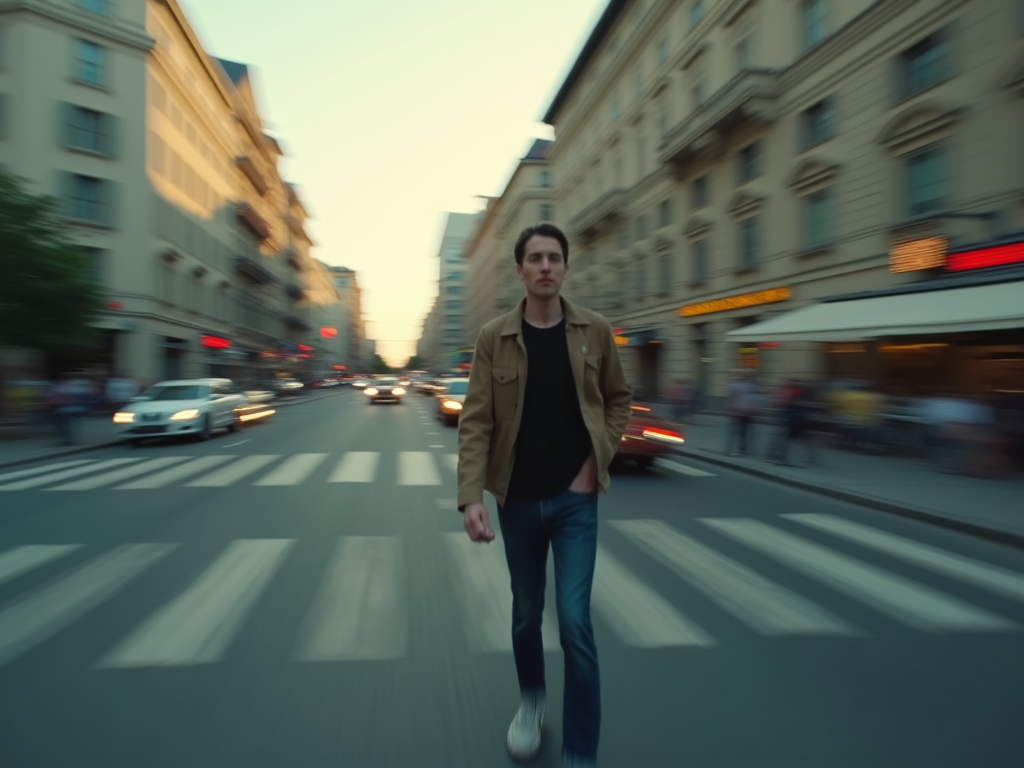
Modern social media platforms have opened new avenues for creative blur techniques. Professional content creators utilize what's known as "transition blur" in their stories and reels - beginning with a focused shot before introducing motion blur during a calculated pan. This technique has become particularly valuable for fashion and lifestyle content creators seeking to add dynamic elements to their visual narratives.
Personal and Professional Projects
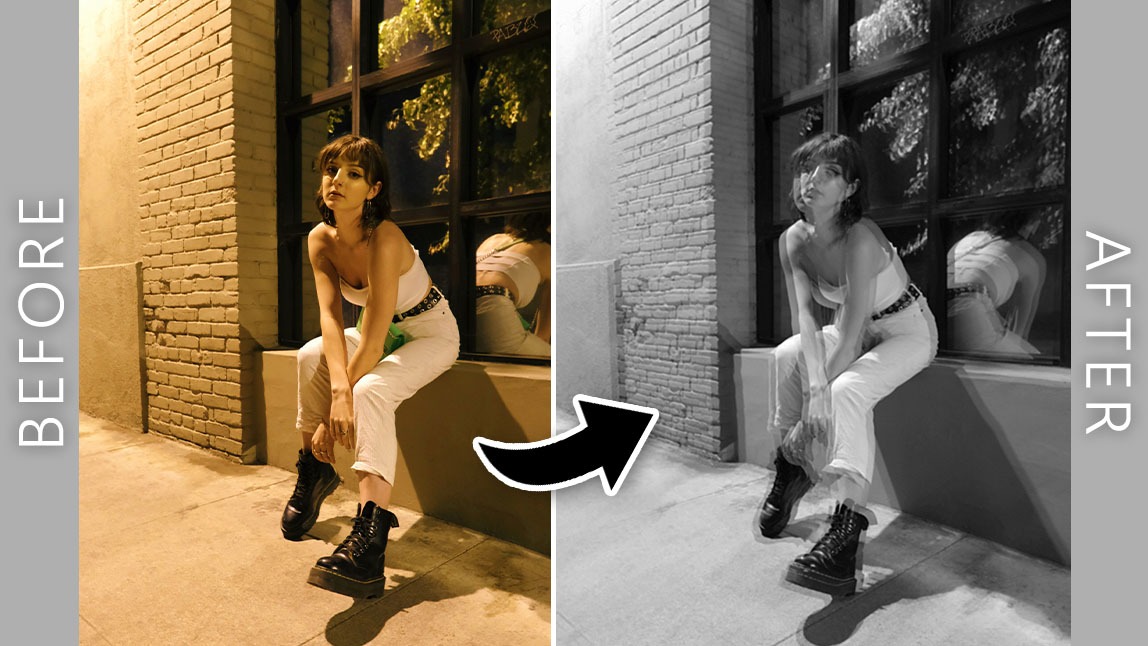
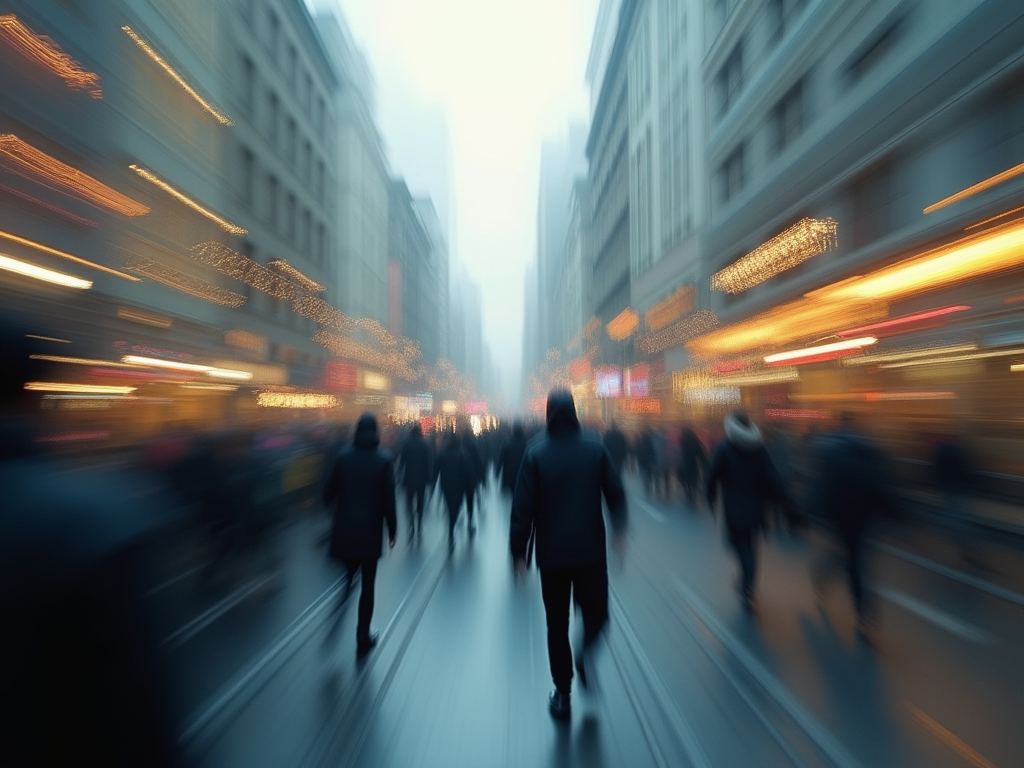
Urban documentation has evolved through the application of "emotion blur" - a technique that captures city life through varying degrees of intentional blur. This approach transforms mundane scenes into artistic statements: morning rush hour becomes an abstract canvas of streaking colors and shapes, while quiet moments take on a dreamy, contemplative quality.
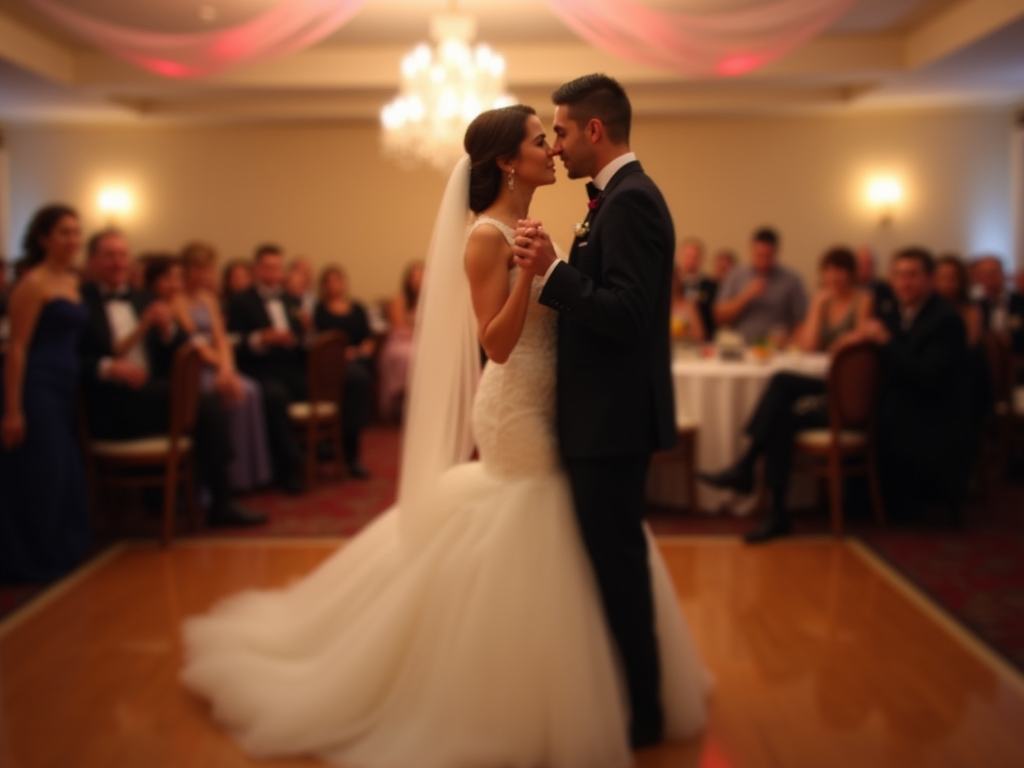
Wedding photography benefits particularly from selective blur techniques. During key moments such as first dances, photographers combine slow shutter speeds (typically 1/15th second) with subtle camera movement, creating images where the couple maintains clarity while their surroundings dissolve into a romantic atmosphere.
The mastery of advanced blur techniques opens up endless creative possibilities in photography. Success comes not from random application but from intentional use as a storytelling tool. Through dedicated practice and experimentation, photographers develop an intuitive understanding of when and how to apply these techniques effectively, elevating blur from a technical mistake to a powerful artistic device.
Portrait Artistry Through Motion
Professional portrait photographers have developed sophisticated techniques for incorporating controlled blur while maintaining subject integrity. The key lies in understanding the interplay between subject movement, camera movement, and environmental elements.
Dynamic Subject Isolation
When photographing portraits, the relationship between shutter speed and subject movement becomes crucial. Professional photographers typically work within a specific range:
Static portraits with moving backgrounds: 1/15s - 1/30s
Fabric movement shots: 1/8s - 1/15s
Intentional camera movement: 1/4s - 1/2s
The technique requires maintaining sharp focus on the subject's eyes while allowing controlled blur in other elements. This creates a three-dimensional effect that draws viewers into the image while maintaining emotional connection through the subject's gaze.
Architectural Photography: Beyond Static Structures
Contemporary architectural photography has evolved beyond simple documentation to become an art form that captures both structure and energy. Professional photographers approach architectural blur photography through three distinct methods:
Vertical Motion Studies
The technique involves precise camera movement along building lines:
Base exposure calculation:
Implementation of neutral density filters for extended exposure times
Use of stabilization equipment for controlled vertical movement
Structural Harmony
Creating balanced compositions requires:
Understanding of architectural rhythm and pattern
Strategic placement of sharp focal points
Careful consideration of light interaction with different building materials
Abstract Interpretation
Professional architectural photographers often employ:
Multiple exposure techniques (3-5 frames)
Varied movement patterns (circular, diagonal, vertical)
Light painting during long exposures
Advanced Exposure Calculations
For precise blur effects, professionals use a modified exposure formula:
BlurFactor=(MovementSpeed×ExposureTime)÷SubjectDistance
This calculation helps determine the optimal settings for different blur effects:
Minimal blur: Blur Factor < 0.5
Moderate blur: Blur Factor 0.5-1.5
Creative blur: Blur Factor > 1.5
The mastery of intentional blur photography requires not only technical understanding but also artistic intuition developed through extensive practice. Professional photographers often spend years perfecting these techniques, understanding that each situation presents unique challenges and opportunities for creative expression.
How to Take Stunning Blurry Photos: Pro Tips & Creative Techniques